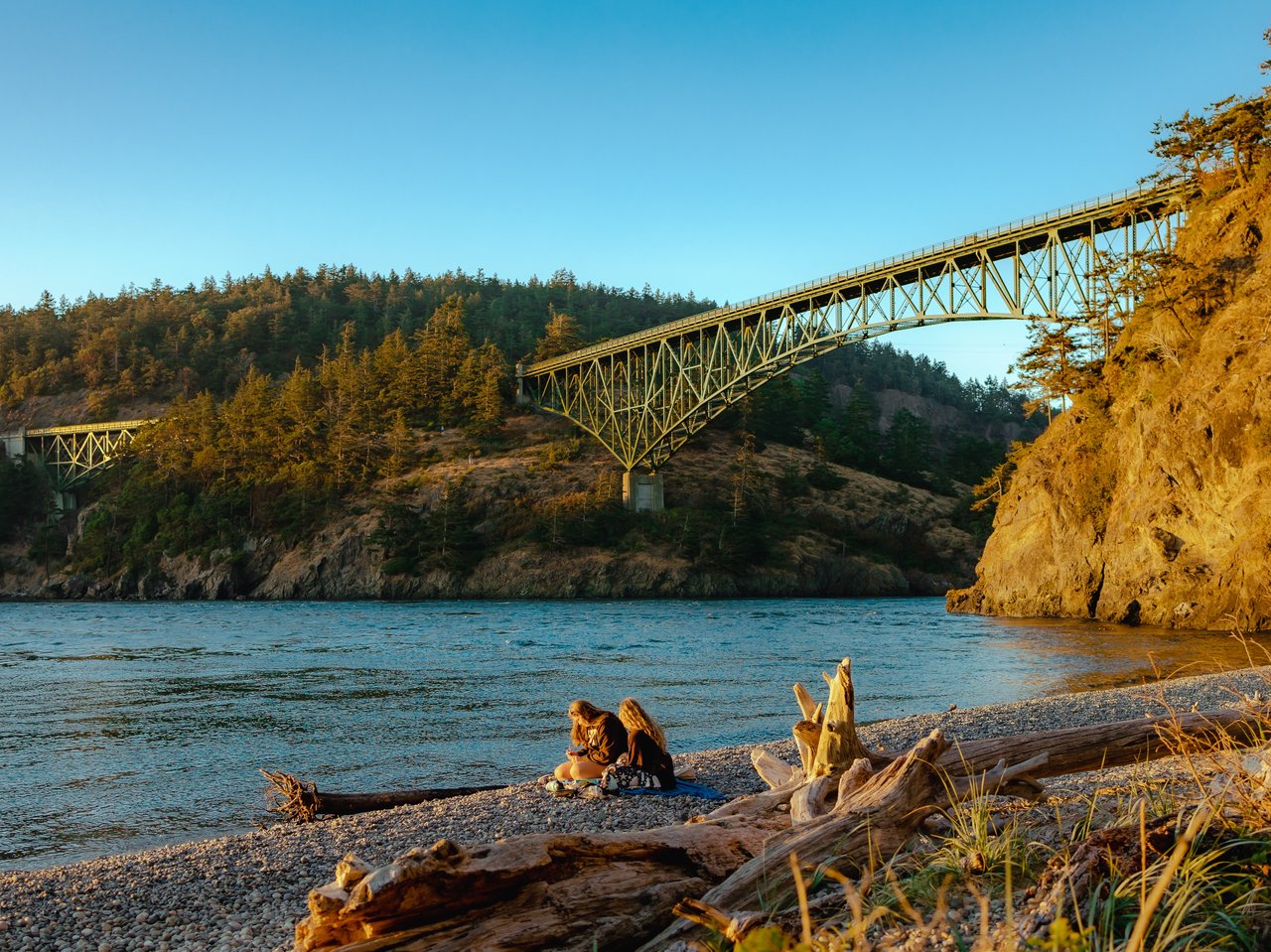
Fall in the Pacific Northwest is absolutely beautiful. Cooler mornings, colorful leaves, dramatic skies, and cozy evenings make this one of my favorite seasons in Anacortes. It is also one of the most important times of year to prepare your home for heavier rainfall, stronger winds, colder temperatures, and the persistent moisture that arrives throughout Western Washington.
As a local real estate agent with Lapis Homes in Anacortes, I regularly help homeowners throughout Skagit, Island, Whatcom, Snohomish, and King Counties think strategically about property care. Basic fall maintenance can help protect a home’s condition, reduce the likelihood of preventable damage, and make future real estate decisions easier.
Our coastal and maritime climate creates maintenance concerns that homeowners in drier regions may not experience as frequently. Falling leaves and evergreen needles can block drainage systems. Moisture encourages moss and organic growth. Wind affects trees, roofs, siding, fences, and waterfront structures. Salt air can contribute to corrosion near the coast.
Whether you plan to stay in your home for years or are preparing to sell, this fall home maintenance checklist for Western Washington can help you approach seasonal care one manageable step at a time.
Why Fall Home Maintenance Matters in Western Washington
Fall preparation is not simply about making a property look tidy. It is an opportunity to inspect the home before winter weather places additional stress on its systems and exterior surfaces.
Consistent seasonal maintenance may help homeowners:
- Identify minor issues before they become expensive repairs
- Reduce the chance of water intrusion
- Improve roof and gutter performance
- Protect siding, decks, and exterior trim
- Improve heating efficiency
- Reduce drafts
- Manage indoor moisture
- Prepare for windstorms and power outages
- Keep walkways and entrances safer
- Maintain the home’s appearance
- Preserve useful maintenance documentation
- Prepare more efficiently for a future sale
Fall is also a good time to observe how water moves across the property. After a period of rain, homeowners can often see overflowing gutters, blocked drains, standing water, soil erosion, or downspouts that are not directing water appropriately.
If you are considering selling, the Lapis Homes Washington Seller’s Guide explains how home preparation fits into the larger listing and marketing process.
Clean Gutters and Downspouts
Gutters are easy to overlook until they stop working properly. Leaves, pine needles, cones, twigs, moss, and roof debris can accumulate quickly during a Northwest Washington fall.
Blocked gutters may cause water to overflow near:
- Siding
- Fascia boards
- Windows
- Exterior doors
- Walkways
- Decks
- Crawl spaces
- Basements
- Foundations
- Landscaping
Remove visible debris and confirm that downspouts are connected and unobstructed. Check where each downspout discharges and look for standing water or erosion near the home.
During rainfall, walk around the exterior and watch for overflowing gutter sections, leaks at joints, or water collecting where it should not. This real-time observation can reveal concerns that are difficult to identify on a dry day.
Homes surrounded by mature trees may require more than one gutter cleaning during the season. Early fall maintenance may need to be repeated after the majority of leaves have dropped or following a significant windstorm.
Ladder work carries serious risks. If the roofline is high, the ground is uneven, or conditions are wet, windy, or slippery, hire a qualified professional rather than attempting the work yourself.
Inspect the Roof and Manage Moss Carefully
Moss is common throughout Anacortes, Skagit County, Whidbey Island, and the greater Puget Sound region. Shade, moisture, nearby trees, and roof orientation can all contribute to organic growth.
From a safe location, look for:
- Missing or damaged shingles
- Curling or lifting roofing materials
- Loose metal panels
- Damaged flashing
- Debris in roof valleys
- Moss or organic buildup
- Sagging or uneven areas
- Damaged vents
- Staining below roof overhangs
- Interior signs of leakage
Avoid walking on a wet, steep, icy, or moss-covered roof. Aggressive scraping, pressure washing, or using an unsuitable chemical can damage roofing materials and may affect landscaping or drainage areas.
When the roof’s condition is uncertain, schedule an inspection with an appropriately qualified roofing professional. Homeowners should also know the roof’s approximate age, material, maintenance history, and any available warranty information.
Keeping roof invoices, inspection reports, permits, and repair records organized can be helpful during ownership and when preparing to sell.
Trim Trees and Inspect Storm Exposure
Northwest Washington windstorms can bring down branches and expose weak or damaged trees. Saturated soil may also affect tree stability.
Walk around the property and look for:
- Dead or broken branches
- Limbs hanging over the roof
- Branches near chimneys
- Vegetation touching siding
- Trees leaning toward structures
- Damaged trunks
- Roots affecting walkways or drainage
- Branches near utility lines
- Dead trees near driveways or outbuildings
Tree work can be dangerous and may involve property boundaries, utility lines, permits, or specialized equipment. Large pruning, tree removal, and hazard evaluations should be handled by qualified professionals.
Never approach a damaged or downed power line. Contact the appropriate utility provider and keep others away from the area.
After significant windstorms, inspect the property again. Even healthy-looking trees can shed branches, and storm debris can block roofs, gutters, drains, and access routes.
Prepare the Yard and Exterior Drainage
Drainage is especially important during the rainy months. Water should move away from the home through appropriate systems without creating erosion, pooling, or damage to neighboring properties.
Fall yard and drainage tasks may include:
- Removing fallen leaves
- Clearing exterior drains
- Cleaning drainage grates
- Keeping swales unobstructed
- Checking downspout discharge points
- Removing debris from driveway drains
- Trimming shrubs away from siding
- Clearing vegetation near foundation vents
- Sweeping decks and walkways
- Stabilizing loose garden objects
- Checking for standing water
- Inspecting retaining areas for visible changes
Do not fill, redirect, or significantly alter a drainage feature without understanding its purpose. Some swales, easements, wetlands, shoreline areas, and stormwater systems may be regulated or shared.
Properties near rivers, wetlands, low-lying farmland, coastal areas, or steep slopes may require specialized evaluation. A drainage professional, engineer, county department, or other qualified resource may be appropriate depending on the concern.
Protect Siding, Trim, and Exterior Finishes
Rain, wind, and salt air can expose weaknesses in siding, paint, caulking, and exterior trim. Homes near the Salish Sea may require more frequent inspections because coastal exposure can affect metal hardware and finishes.
Check for:
- Peeling or bubbling paint
- Cracked or missing caulking
- Exposed wood
- Loose siding
- Rust or corrosion
- Damaged vents
- Gaps around exterior penetrations
- Vegetation trapping moisture
- Water staining
- Soft or deteriorated trim
Repairs should address the source of the concern rather than simply covering the visible symptom. Painting over damaged or damp material without correcting the underlying issue may allow deterioration to continue.
Pressure washing is not appropriate for every exterior surface. Excessive pressure can damage wood, roofing, siding, grout, and seals. When you are uncertain, consult a professional familiar with the specific material.
Prepare Decks, Patios, and Walkways
Wet leaves and organic growth can make exterior surfaces slippery. Keep walkways, steps, porches, decks, and patios reasonably clean throughout the season.
Inspect:
- Deck boards
- Railings
- Stairs
- Fasteners
- Exterior lighting
- Gates
- Fences
- Concrete and pavers
- Drainage openings
- Covered porches
Store or secure lightweight outdoor furniture, umbrellas, tools, planters, and decorations before windstorms. Clean and dry cushions before placing them in storage.
Waterfront decks may experience additional salt-air and wind exposure. Pay particular attention to metal connectors, railings, exposed wood, and finishes.
Substantial repairs to shoreline stairs, docks, bulkheads, or other waterfront improvements may require permits or specialized review. Before beginning this kind of work, confirm the applicable requirements.
Service the Heating System
Do not wait until the coldest morning of the year to discover that the heating system needs attention. Fall is an excellent time to review heating equipment and schedule service when appropriate.
Depending on the system, preparation may include:
- Replacing or cleaning filters
- Scheduling professional maintenance
- Cleaning accessible vents
- Testing thermostats
- Keeping furniture away from heat sources
- Removing debris around outdoor heat-pump units
- Checking maintenance instructions
- Confirming that occupied rooms receive heat
- Reviewing service records
- Testing backup heat when applicable
Heating systems vary considerably. Heat pumps, furnaces, boilers, electric wall heaters, radiant systems, fireplaces, and wood stoves all have different maintenance needs.
A comfortable home is also important when selling during fall or winter. A cold interior may distract buyers and raise questions about heating performance or efficiency.
Check Windows and Doors for Drafts
Drafts can reduce comfort and increase heating demand. Inspect windows, exterior doors, sliding doors, weather stripping, door sweeps, and surrounding trim.
Fall tasks may include:
- Replacing damaged weather stripping
- Repairing worn door sweeps
- Caulking appropriate gaps
- Cleaning window tracks
- Checking window locks
- Inspecting exterior trim
- Confirming that windows close properly
- Looking for moisture staining
- Checking sliding-door seals
- Cleaning drainage or weep openings
Condensation does not always mean that a window has failed. Indoor humidity, ventilation, outdoor temperature, insulation, and window performance can all contribute.
If condensation repeatedly collects on frames or sills, monitor the area carefully and investigate the underlying conditions rather than simply wiping away the moisture.
Monitor Indoor Moisture and Ventilation
Moisture management is one of the most important aspects of fall home maintenance in Western Washington. As windows remain closed and wet clothing, cooking, bathing, and laundry add humidity, interior condensation may increase.
Watch for:
- Musty odors
- Window condensation
- Damp closets
- Peeling paint
- Water staining
- Moisture under sinks
- Poorly ventilated bathrooms
- Damp basements
- Crawl-space moisture
- Laundry-room humidity
Use kitchen and bathroom exhaust fans during and after moisture-producing activities. Confirm that fans operate correctly and vent as intended.
Keep furniture and stored items from blocking necessary airflow. Closets located against exterior walls may benefit from organization that allows air to circulate.
Persistent moisture should be evaluated at its source. It may result from plumbing, roofing, drainage, ventilation, insulation, grading, or another condition requiring professional attention.
Inspect Fireplaces and Chimneys
Fireplaces and wood stoves create a wonderfully cozy atmosphere, but they must be maintained responsibly.
Before regular fall or winter use:
- Arrange cleaning or inspection when appropriate
- Check the firebox for visible damage
- Confirm that dampers work
- Keep combustible items away
- Use appropriate screens or doors
- Store ashes safely
- Keep a suitable fire extinguisher accessible
- Test smoke alarms
- Test carbon monoxide alarms
Chimney work and specialized fireplace repairs should be completed by qualified professionals.
If the home is being prepared for sale, gather maintenance records for the fireplace, chimney, stove, or insert. Buyers may ask about the system’s age, condition, and service history.
Protect Outdoor Plumbing
Freezing conditions are less frequent in some coastal locations than in colder inland areas, but they still occur. Exposed plumbing can be vulnerable.
Before freezing temperatures arrive:
- Disconnect garden hoses
- Drain hoses before storage
- Protect outdoor faucets where appropriate
- Shut off seasonal water lines when possible
- Insulate vulnerable exposed pipes
- Check plumbing in crawl spaces
- Winterize irrigation systems
- Review plumbing in outbuildings
- Know where the main water shutoff is located
Detached garages, workshops, guest spaces, barns, and outdoor kitchens may contain plumbing that is easy to forget.
Vacant properties need an organized monitoring plan. Heating, plumbing, utilities, ventilation, and interior conditions should be checked regularly during colder weather.
Check Safety Equipment and Prepare for Storms
Fall is a good time to review household safety equipment and prepare for potential outages.
Test or inspect:
- Smoke alarms
- Carbon monoxide alarms
- Fire extinguishers
- Flashlights
- Portable charging devices
- Emergency radios
- First-aid supplies
- Essential medications
- Drinking-water supplies
- Necessary pet supplies
Households with private wells should consider how a power outage may affect water availability. Septic systems, sump pumps, drainage equipment, garage doors, and heating systems may also depend on electricity.
Portable generators must be operated outside and according to the manufacturer’s instructions. Never place a generator in a garage, crawl space, basement, or near doors, windows, and vents.
Fall Maintenance for Waterfront Homes
Waterfront homes in Anacortes, Fidalgo Island, Guemes Island, Whidbey Island, and Camano Island may need additional fall attention.
Inspect:
- Decks and railings
- Exterior metal hardware
- Windows and seals
- Siding and trim
- Roof flashing
- Beach stairs
- Docks and floats
- Shoreline structures
- Drainage near slopes
- Wind-exposed trees
- Salt accumulation
- Wind-driven rain exposure
Ownership of a waterfront property does not automatically allow shoreline structures to be modified. Work involving docks, bulkheads, vegetation, beach access, or stabilization may require local, state, or federal review.
Our article about high-bank and low-bank waterfront property provides additional information for buyers and sellers evaluating coastal homes.
Fall Maintenance for Rural Properties
Rural properties throughout Skagit, Island, Whatcom, and Snohomish Counties can have additional seasonal responsibilities.
Homeowners may need to evaluate:
- Private roads
- Culverts
- Wells
- Septic systems
- Outbuildings
- Long driveways
- Drainage ditches
- Propane or fuel storage
- Backup power
- Trees near access routes
- Exterior lighting
- Storm access plans
Make sure service providers can reach the home during poor weather and that private roads remain reasonably clear. Keep vegetation and debris from obstructing culverts or approved drainage features.
Well and septic systems should be maintained according to applicable requirements and professional recommendations. Save inspection, pumping, testing, and repair records.
How Fall Home Maintenance Supports Real Estate Value
A well-maintained home can provide a better showing experience and help buyers evaluate the property without being distracted by preventable maintenance concerns.
Fall preparation may support a future sale by:
- Improving curb appeal
- Making entrances safer and more inviting
- Reducing visible deferred maintenance
- Helping the home photograph well
- Demonstrating consistent care
- Identifying concerns before an inspection
- Organizing service and repair records
- Improving interior comfort
- Supporting a smoother listing process
Maintenance does not guarantee a particular sales price or market time. Pricing, location, condition, inventory, buyer demand, financing, and broader market conditions all influence the outcome.
However, a clean and cared-for property usually provides a stronger foundation for professional marketing and productive buyer conversations.
Preparing to Sell Your Home This Fall
If you are considering a fall or winter sale, begin planning before completing expensive projects. Not every repair or renovation will provide the same benefit.
At Lapis Homes, our seller services may include:
- A pre-listing property walkthrough
- A customized preparation checklist
- Maintenance and repair prioritization
- Decluttering and staging recommendations
- A comparative market analysis
- Pricing guidance
- Professional photography preparation
- Property marketing
- Showing coordination
- Offer review and negotiation
- Transaction support through closing
The Lapis Homes Washington Seller’s Guide provides a helpful overview of the selling process. You can also begin with the Lapis Homes home valuation tool to explore your property’s potential market position.
An online estimate is only a starting point. A personalized comparative market analysis can consider recent comparable sales, condition, location, renovations, acreage, views, waterfront features, and current competition.
Buying a Home During the Fall
Fall can also be an informative time to tour homes. Buyers may be able to observe conditions that are less obvious during summer, such as:
- Roof and gutter performance
- Drainage during rainfall
- Interior natural light
- Heating comfort
- Window condensation
- Mud or standing water
- Wind exposure
- Driveway conditions
- Crawl-space moisture
- Storm debris
These observations do not replace a professional inspection, but they can help buyers identify questions and understand a property’s seasonal maintenance needs.
The Lapis Homes Washington Buyer’s Guide offers more information about preparing for a purchase. Buyers can also explore available properties through the Lapis Homes home search.
Create a Manageable Fall Home Maintenance Plan
You do not need to complete every task in one weekend. Divide your fall checklist into manageable priorities.
Start with projects that can help prevent damage:
- Clear gutters and drains.
- Inspect the roof.
- Protect vulnerable plumbing.
- Service heating equipment.
- Monitor moisture.
- Secure outdoor objects.
- Prepare for storms and outages.
Next, address appearance, organization, documentation, and longer-term projects.
Keep receipts, warranties, permits, inspection reports, and service records together. This information can be useful during ownership and valuable when it is time to sell.
Local Real Estate Guidance From Lapis Homes
Fall home maintenance is one of the best ways to protect your Northwest Washington property and prepare for future real estate decisions. Whether you own a waterfront home in Anacortes, a rural property in Skagit County, a residence on Whidbey Island, or a home elsewhere in Western Washington, consistent seasonal care can make ownership feel much more manageable.
At Lapis Homes, we combine local real estate knowledge with friendly, personalized service. We help clients buy, sell, relocate, evaluate property options, and understand the practical considerations that come with homeownership in our region.
For more maintenance, market, and community information, visit the Lapis Homes real estate blog.
For Buyers: Ready to start your home search? Click the link below!
Lapis Homes | Anacortes, WA Real Estate Agents | Home Search
For Sellers: Want to know what your home is worth? Click the link below!
Home Valuation | Lapis Homes | Anacortes, WA Real Estate Agents
If you are considering selling, beginning a property search, or wondering about your home’s current value, contact Lapis Homes at (360) 997-1042 or [email protected]. We would love to hear about your plans and help you approach your next real estate decision with clarity and confidence.