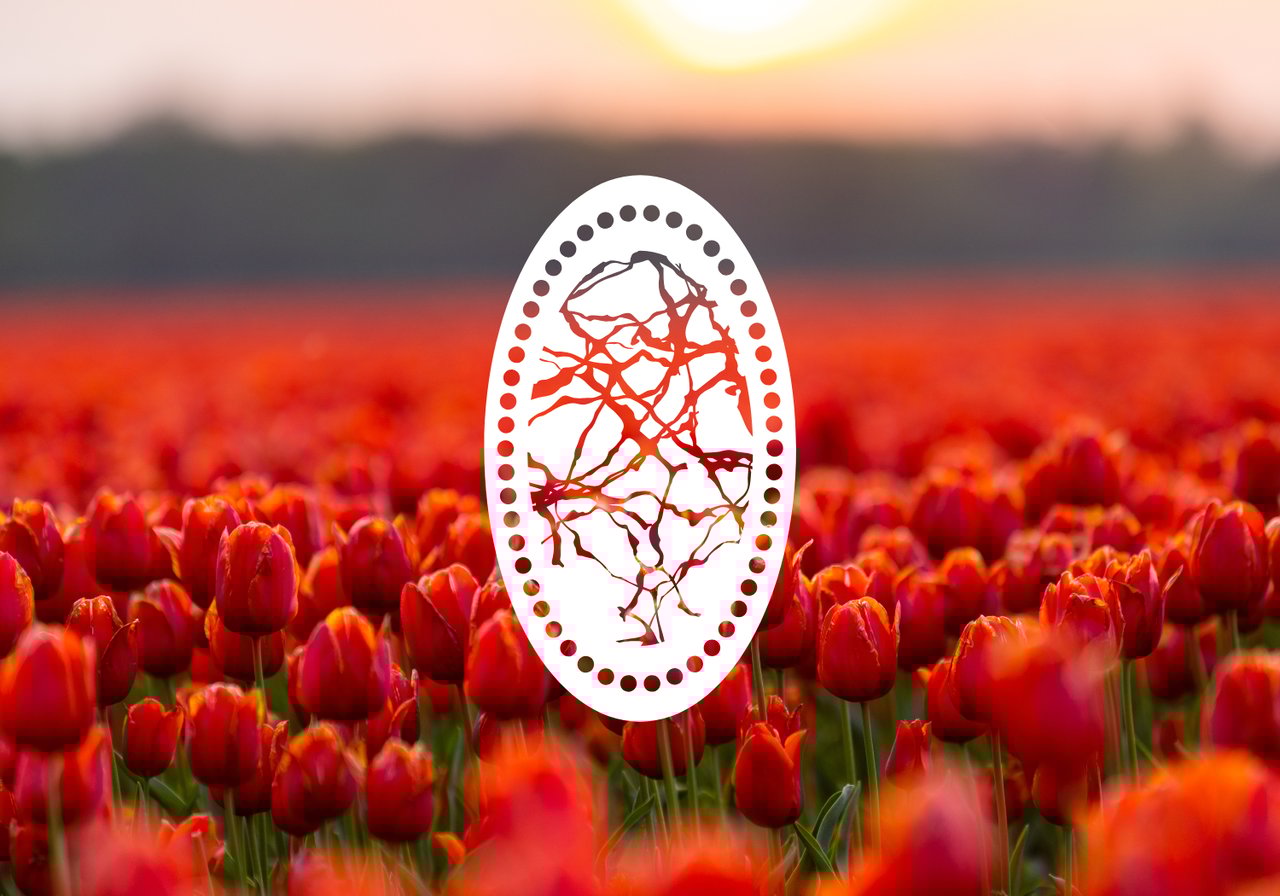
Spring in Northwest Washington is always beautiful, but tulip season brings something truly extraordinary to the Skagit Valley. For several glorious weeks, local fields and display gardens transform into a patchwork of brilliant reds, cheerful yellows, soft pinks, deep purples, and dreamy pastels. Add in sweeping farmland, snowcapped Cascade Mountain views, locally owned businesses, and charming nearby communities, and it is easy to understand why the Skagit Valley Tulip Festival has become one of Washington State’s most beloved spring traditions.
The Skagit Valley Tulip Festival 2026: A Colorful Celebration of Spring and Community brought visitors from throughout the Pacific Northwest and beyond to celebrate flowers, agriculture, art, local businesses, and the unmistakable beauty of Skagit County.
Although the festival is traditionally associated with April 1 through April 30, tulips follow their own schedule—and Mother Nature made 2026 especially interesting! Warmer weather resulted in an earlier-than-usual bloom, with some participating gardens preparing to welcome visitors as early as March 20. The festival reached full bloom around April 17, and the official 2026 season concluded in early May.
That variability is part of the adventure. No two tulip seasons are exactly alike, which is why checking current bloom reports is one of the most important steps when planning a future visit.
More Than a Single Tulip Field
One of the biggest misconceptions about the Skagit Valley Tulip Festival is that it takes place at one central park. In reality, the festival stretches across the agricultural landscape west of Mount Vernon, with independently operated display gardens, rotating commercial fields, art exhibits, community events, restaurants, farms, shops, and attractions located throughout Skagit County.
The 2026 festival featured four official garden destinations spread across approximately 250 acres. Each participating garden offered its own distinctive displays, varieties, landscaping, activities, and visitor experience.
Unlike a traditional street fair, there is no single admission ticket covering the entire festival. The festival itself includes a mixture of free and ticketed activities, while the official tulip gardens generally charge separate admission. Tickets, operating hours, parking arrangements, and pet policies can vary by garden.
Visitors planning for a future season should consult the official Skagit Valley Tulip Festival website for participating gardens, current bloom conditions, ticket information, and seasonal updates.
The Tulips Bloom on Nature’s Schedule
The traditional festival dates are April 1 through April 30, but the flowers—not the calendar—determine the best time to visit.
Tulips may begin flowering in March during a warmer spring. Cooler weather can delay the bloom, while favorable conditions may keep flowers visible into early May. The timing and duration of peak color can also differ from one field or garden to another.
In 2026, warmer conditions accelerated the growing season. Festival organizers announced the possibility of openings beginning around March 20, approximately two weeks earlier than the traditional April schedule. The valley officially reached full bloom on April 17, creating a spectacular but relatively brief peak viewing period.
Before planning a future trip, visitors should:
- Review the festival’s official bloom tracker
- Check individual garden hours and ticket availability
- Consult the current festival map
- Look at weather and traffic conditions
- Confirm pet and accessibility policies
- Purchase garden tickets in advance when recommended
The festival may begin before April 1 or continue beyond April 30 when growing conditions allow. That flexibility helps visitors enjoy the flowers when they are actually blooming rather than relying exclusively on fixed calendar dates.
Skagit Valley Tulip Festival 2026: A Colorful Celebration of Spring and Community
The tulips may be the stars, but the Skagit Valley Tulip Festival celebrates much more than flowers. It highlights the agricultural traditions, creative talent, small businesses, and natural scenery that make this region so memorable.
Throughout tulip season, visitors can explore:
- Professionally designed display gardens
- Expansive commercial tulip fields
- Tulip-inspired art exhibits
- Local restaurants and cafés
- Farm stands and specialty producers
- Downtown shopping districts
- Live entertainment
- Photography opportunities
- Scenic drives through the valley
- Community activities throughout Skagit County
The 2026 Tulip Festival Art Exhibits added another colorful dimension to the season. Regional artists created original tulip-themed work inspired by the flowers and landscapes of Northwest Washington. Exhibitions took place in Anacortes and Mount Vernon, giving visitors another reason to explore beyond the gardens.
The festival’s connection to local art is a longtime tradition. An official poster has been commissioned annually since 1984, creating a wonderful visual history of how different artists have interpreted Skagit Valley’s most famous season.
Planning Your Tulip Festival Visit
Tulip season is one of the busiest times of year in the Skagit Valley, especially during sunny weekends and peak bloom. A little preparation can make your experience much more relaxed and enjoyable.
The official festival map is an essential planning tool because field locations can rotate from year to year. McLean Road and Best Road are commonly associated with the tulip route, but visitors should always rely on current directions rather than an old map or social media post.
The festival’s interactive map and visitor guide can help you locate gardens, fields, attractions, parking areas, and nearby businesses.
A few helpful tips include:
- Visit on a weekday when possible.
- Arrive early to reduce time in traffic and ticket lines.
- Buy garden tickets online before your trip when available.
- Wear waterproof or mud-friendly shoes.
- Dress in layers for changing spring weather.
- Bring a fully charged phone or camera.
- Allow extra driving time between destinations.
- Use designated parking areas.
- Remain on approved paths inside gardens and fields.
- Never enter private farmland without permission.
- Check each garden’s pet policy before bringing an animal.
- Support local restaurants and shops during your visit.
Traffic can become especially heavy on narrow rural roads. Please be patient, watch for pedestrians and cyclists, and avoid stopping along roadways where parking is not permitted. The fields are active agricultural properties, so respecting signs, fences, crops, and farm operations is essential.
Interested in checking out available properties in this area? Check out the links below to explore:
Buy in Burlington - Real Estate | Lapis Homes
Buy in Mount Vernon - Real Estate | Lapis Homes
Buy in La Conner - Real Estate | Lapis Homes
Make a Day of Exploring Skagit County
The Skagit Valley Tulip Festival is a wonderful reason to visit, but there is plenty to experience beyond the flowers.
After touring a garden, visitors can enjoy lunch in downtown Mount Vernon, explore locally owned shops in La Conner, browse galleries in Anacortes, or visit restaurants and businesses in Burlington. Each community offers a slightly different view of life in Skagit County.
Popular additions to a tulip-season itinerary may include:
- Walking through historic downtown Mount Vernon
- Enjoying the Skagit Riverwalk
- Visiting La Conner’s waterfront and local shops
- Browsing galleries and boutiques
- Exploring downtown Anacortes
- Dining at a locally owned restaurant
- Visiting a farm stand or seasonal market
- Taking a scenic drive through the agricultural valley
- Exploring parks and trails before or after the gardens
Building extra time into your visit lets you experience the wider region instead of rushing from one tulip display to another. It also helps support the local restaurants, retailers, lodging providers, farms, artists, and service businesses that contribute so much to the festival.
A Celebration of Skagit Valley Agriculture
The tulip fields are breathtaking, but they are also working agricultural land. Skagit Valley’s rich soil, temperate climate, river system, and farming knowledge have helped make the region one of Washington’s most productive agricultural areas.
Tulip season provides a vivid reminder that the valley’s open landscapes are not simply scenic backdrops. They are part of an active agricultural economy that includes flower bulbs, berries, vegetables, seed crops, livestock, and other locally produced goods.
Admission purchases at participating gardens directly support the farms operating those destinations. Visitors can also contribute to the local economy by purchasing flowers and merchandise, dining nearby, staying overnight, and shopping at local businesses.
Respectful tourism helps preserve the experience for future seasons. Staying out of unapproved fields, following parking directions, disposing of trash properly, and treating farm staff courteously are small actions that make a meaningful difference.
What the Festival Reveals About Living in Skagit Valley
As a local real estate agent, I love seeing visitors experience the valley for the first time. The flowers may initially bring someone here, but the surrounding scenery and communities often leave the most lasting impression.
Tulip season offers a colorful introduction to many of the qualities that make Skagit County distinctive:
- Sweeping agricultural views
- Proximity to mountains and saltwater
- Locally owned restaurants and shops
- Strong connections to farming and the arts
- Access to Interstate 5 and State Route 20
- Historic downtown districts
- Outdoor recreation
- A wide variety of residential settings
Skagit Valley real estate includes homes in established neighborhoods, downtown residences, condominiums, new construction, rural acreage, waterfront properties, hobby farms, and custom homes with mountain or territorial views.
Every location offers a different experience. A home near downtown Mount Vernon may provide convenient access to shopping and services, while a rural property west of the city may offer more land and agricultural surroundings. Burlington provides central transportation connections, La Conner offers waterfront character, and Anacortes combines access to the Salish Sea with Fidalgo Island recreation.
Anyone considering a home in the Skagit Valley should evaluate more than the scenery. City or county jurisdiction, flood zones, water sources, septic systems, private-road agreements, agricultural activity, commute routes, and property-specific development regulations may all affect a purchase.
That is where working with a local real estate professional becomes especially valuable. We can help you look beyond the listing photos and understand how a property’s location, utilities, land, and surrounding area may fit your goals.
Supporting Local Businesses During Tulip Season
The festival creates an important seasonal boost for businesses throughout Skagit County. Visitors purchase meals, book lodging, browse galleries, buy locally made products, and discover shops they may return to throughout the year.
You can make your tulip festival visit even more meaningful by:
- Dining at a local restaurant
- Purchasing flowers directly from participating growers
- Visiting an independent shop or gallery
- Staying at a local lodging property
- Buying artwork from a regional artist
- Exploring businesses outside the busiest tulip route
- Returning during another season
Spring may introduce you to the Skagit Valley, but summer farmers markets, fall harvest activities, winter performances, parks, trails, and waterfront destinations provide reasons to return all year long.
Skagit Valley Tulip Festival 2026: A Colorful Celebration of Spring and Community
The Skagit Valley Tulip Festival 2026: A Colorful Celebration of Spring and Community was a wonderful reminder that some of the most memorable experiences begin with something simple: a field bursting into bloom.
The 2026 season arrived earlier than expected, reached full bloom in mid-April, and concluded in early May. During that colorful window, visitors explored four official garden destinations, admired regional artwork, supported local farms, and experienced communities throughout Skagit County.
Future festival dates will continue to depend on weather and bloom conditions. The best approach is to monitor the official bloom tracker, use the current festival map, purchase garden tickets in advance when appropriate, and allow plenty of time to enjoy the journey.
For some visitors, tulip season becomes an annual tradition. For others, it sparks a deeper curiosity about what it might be like to call this beautiful region home.
If your visit has you dreaming about Skagit Valley real estate, the team at Lapis Homes would be delighted to help you explore the possibilities. Visit the link below to search available properties and learn more about living in Mount Vernon, Burlington, La Conner, Anacortes, Sedro-Woolley, and surrounding communities.
Lapis Homes | Anacortes, WA Real Estate Agents | Home Search
Whether you are preparing to buy, considering selling, or simply want to learn more about our local real estate market, our team is here to make the process informative, approachable, and enjoyable. Contact Lapis Homes at (360) 997-1042 or [email protected]—we would love to connect with you!
Spring’s tulips may only bloom for a few unforgettable weeks, but the beauty and lifestyle of the Skagit Valley can be enjoyed throughout the year.