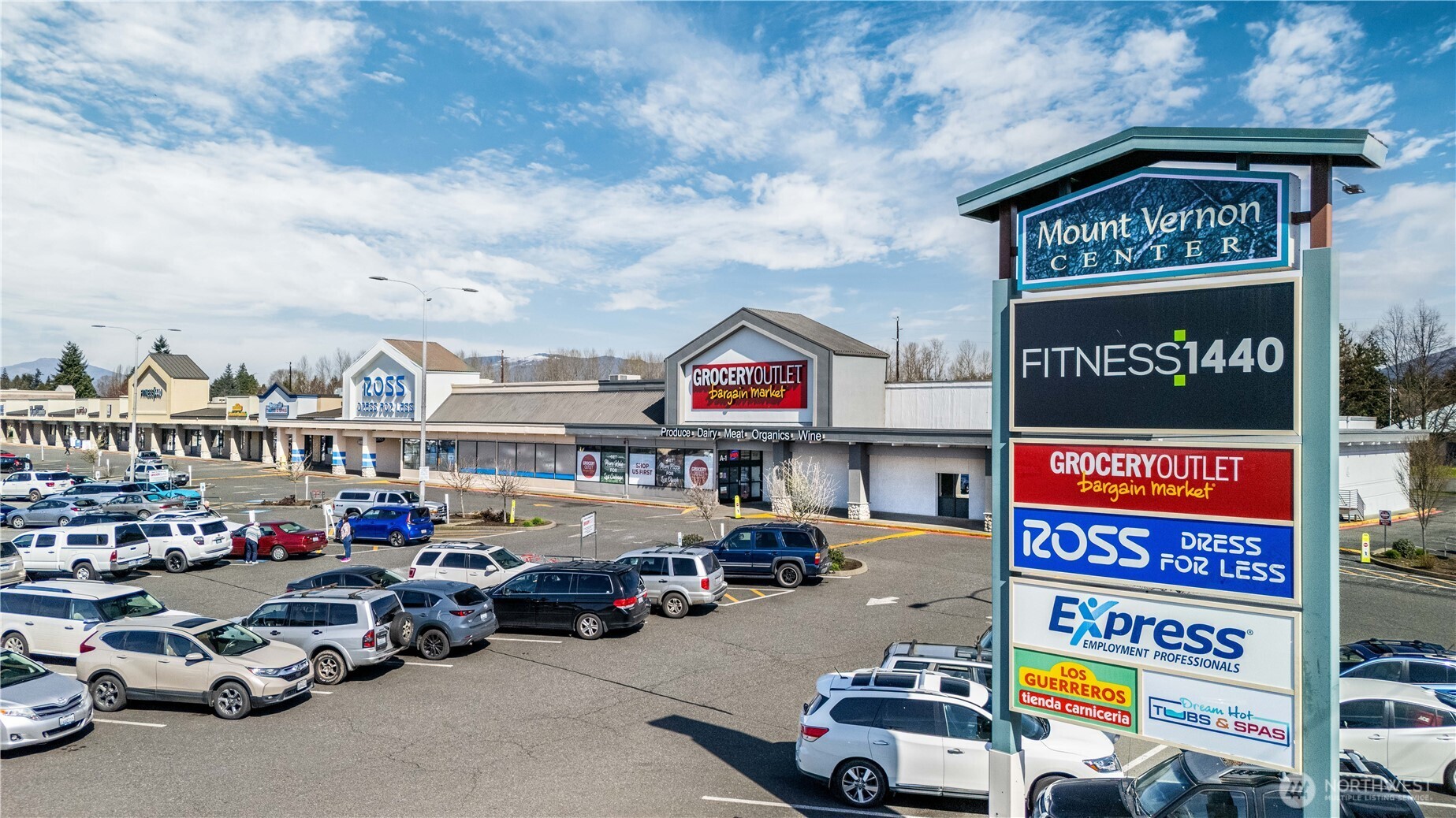
Overview
The Cordata neighborhood is located in northern Bellingham. It is generally bordered by Meridian Street to the east and West Bakerview Road to the south, while extending toward the city limits on the north, west, and southwest.
Cordata became a separately recognized Bellingham neighborhood in 2010, when the boundaries of the former Meridian and Guide Meridian/Cordata neighborhoods were adjusted to reflect the area’s changing residential, commercial, institutional, and environmental character.
Unlike Bellingham’s older neighborhoods, Cordata has largely developed through planned communities, subdivisions, apartment projects, institutional campuses, and mixed-use employment areas. Whatcom Community College, Cordata Park, Cordata Station, professional offices, medical services, and nearby regional shopping all contribute to the neighborhood’s identity.
Cordata includes a mixture of residential, commercial, institutional, public, and planned industrial zoning. Some properties are also affected by the Cordata Business Park Planned Unit Development and associated development standards. Current zoning, permitted uses, design requirements, and future development potential should always be verified for the individual property.
Community Character
Cordata offers:
Cordata generally feels more contemporary and planned than many central Bellingham neighborhoods. Landscaped common areas, sidewalks, trails, stormwater facilities, neighborhood associations, and newer street infrastructure are common in portions of the area, although conditions vary by development.
Geographic Setting
Cordata is positioned between established northern Bellingham and the city’s northern and western growth areas. Meridian Street forms the neighborhood’s eastern boundary, with the Meridian neighborhood and its regional shopping district immediately beyond it. West Bakerview Road connects Cordata with Interstate 5, Northwest Avenue, the airport area, and other parts of northwestern Bellingham.
Cordata Parkway is the neighborhood’s primary north-south corridor. It provides access to residential communities, Whatcom Community College, Cordata Station, professional offices, Cordata Park, and developing properties farther north.
Nearby destinations include:
The availability of services is one of Cordata’s most practical advantages. Residents can remain close to daily shopping and transportation while still having access to trails, wetlands, parks, and open spaces.
Transportation Access
Cordata Parkway serves as a major north-south secondary arterial through the neighborhood. West Bakerview Road, Northwest Avenue, Meridian Street, Stuart Road, Horton Road, and Kellogg Road provide additional connections.
Existing transportation features include:
Cordata Station is a significant regional transit connection with multiple routes serving Bellingham and surrounding Whatcom County communities. Buyers planning to use public transportation should verify current routes, operating hours, transfer schedules, and walking access from the specific property.
Traffic can vary based on shopping activity, Whatcom Community College schedules, commuting patterns, park events, construction, and continued neighborhood development. Buyers should evaluate:
Cordata contains a meaningful network of wetlands, creeks, meadows, forested areas, stormwater facilities, and protected open space. These environmental features contribute to the neighborhood’s greenery and trail system while creating important property-specific considerations.
The 12-acre Middle Fork Spring Open Space contains wetlands and the headwaters of Middle Fork Spring Creek. The City is designing a future multiuse trail intended to connect Cordata Park with West Stuart Road and Meridian Street. Construction is currently planned for 2028, subject to design, permitting, funding, and scheduling.
Bear Creek Open Space encompasses approximately 100 acres between Northwest Drive and Aldrich Road. The area includes meadows, forested wetlands, Bear Creek, and East Bear Creek. Trail, parking, and access improvements are currently in design and permitting, with construction planned for 2027. Future phases may create additional connections toward Aldrich Road, Julianna Park, and Cordata Park.
Environmental and site considerations may include:
Stormwater ponds, wetlands, and landscaped drainage areas should not automatically be treated as recreational space. Some are protected facilities with access restrictions and maintenance responsibilities.
Buyers should confirm whether nearby open space is publicly owned, privately owned, association maintained, protected by an easement, or potentially available for future development. A wooded or vacant property nearby does not guarantee a permanent view, buffer, or undeveloped setting.
Cordata Park
Cordata Park is a 25-acre community park located along Cordata Parkway between Stuart and Horton Roads. It is one of Bellingham’s newer major parks and provides a broad selection of recreation amenities.
Features include:
Cordata Park’s two primary development phases are complete. The first phase opened in 2020, and the second phase opened in 2024.
Homes near the park may benefit from convenient recreation access, but buyers should also consider event activity, visitor traffic, evening use, parking, lighting, and seasonal noise.
Julianna Park
Julianna Park is a mostly wooded park and open-space area located near the end of West Horton Road. It was formerly known as Cordata Neighborhood Park, which can create confusion when reviewing older plans and property records.
The park includes trails and open lawn areas and forms part of the broader greenway system connecting Cordata’s residential communities and recreational spaces.
Bear Creek and Middle Fork Spring Open Spaces
Bear Creek Open Space and Middle Fork Spring Open Space provide additional natural areas within Cordata. Planned improvements are intended to expand trail access and strengthen connections between Cordata Park, Julianna Park, Aldrich Road, Stuart Road, and Meridian Street.
These projects remain subject to design, environmental review, permitting, funding, and construction schedules. Buyers should distinguish between existing public access and future planned connections.
Home Types and Styles
Cordata real estate offers one of Bellingham’s more varied collections of newer and planned housing. Depending on the location, buyers may find:
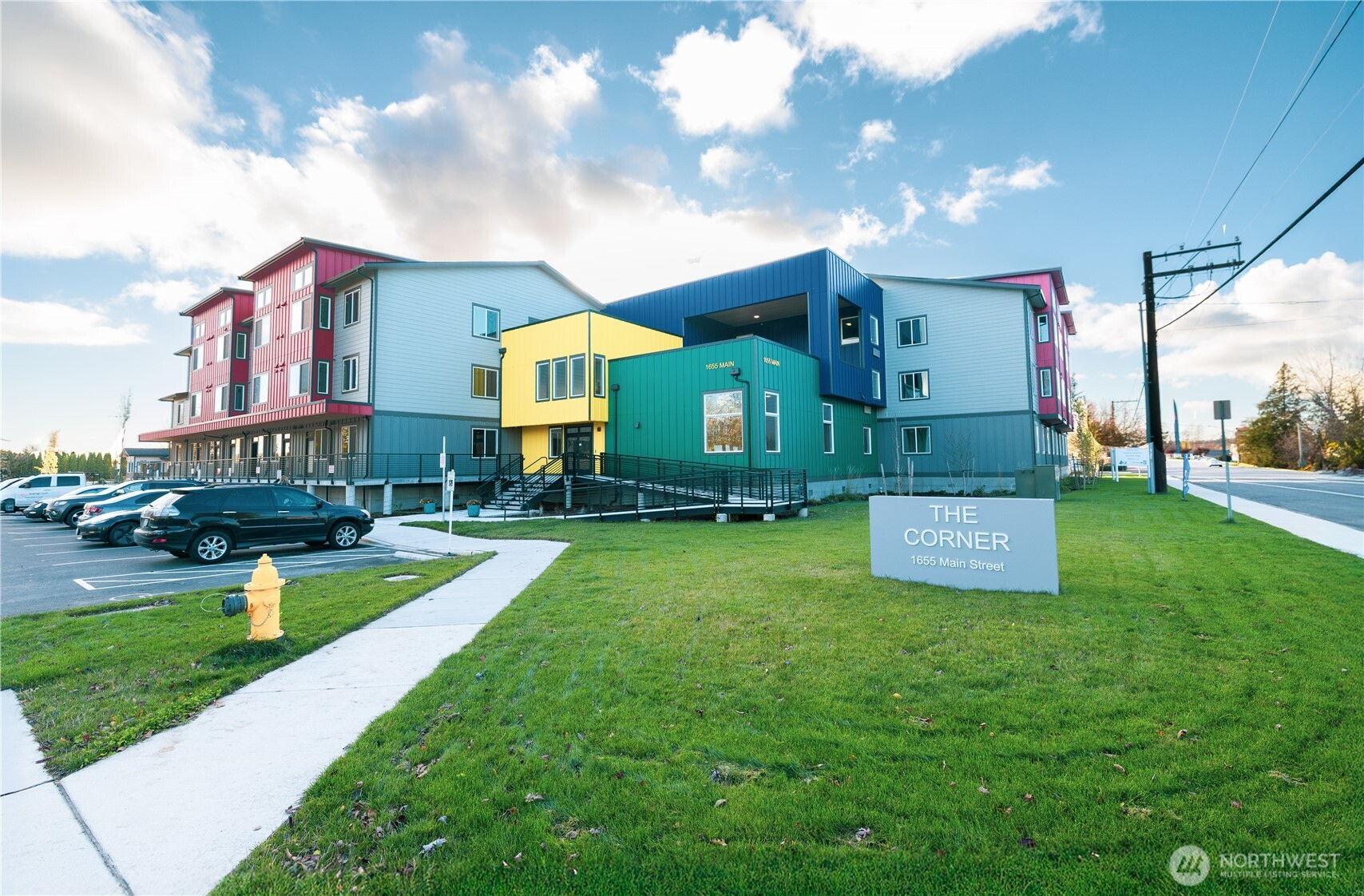
Lot sizes, parking arrangements, architectural standards, and maintenance responsibilities can differ substantially between developments. Some homes have private yards and garages, while others emphasize compact lots, shared landscaping, attached construction, or common amenities.
Some Cordata properties are located within homeowner associations or condominium associations. Buyers should review:
An attractive common area does not necessarily mean the association is financially prepared for future maintenance. Condominium and homeowner-association documents should be reviewed carefully before completing a purchase.
Newer homes can reduce some immediate maintenance concerns, but buyers should still evaluate original construction quality, drainage, roofing, siding, windows, heating systems, ventilation, and any remaining builder warranties. A professional inspection remains important even when a home is relatively new.
Utilities and Infrastructure
Cordata properties are generally located within Bellingham’s urban utility-service area. Depending on the property and development, services may include:
Buyers should determine whether streets, sidewalks, lighting, stormwater ponds, retaining walls, fencing, mail structures, or private utilities are maintained by the City, the property owner, or an association.
Current and recent sewer projects in northern Bellingham are intended to replace aging infrastructure and increase system capacity. Public improvements can support long-term growth, but they may also create temporary traffic, noise, access, or construction impacts.
Lifestyle and Ownership Considerations
Cordata may appeal to buyers who value:
Practical considerations include:
Cordata is still evolving. Undeveloped properties, institutional land, planned commercial areas, and future housing projects may change traffic, views, noise, and neighborhood activity over time. Buyers should review nearby zoning and pending development applications instead of assuming current vacant land will remain unchanged.
Bellingham adopted an updated comprehensive plan in December 2025 and retired the former system of individually adopted neighborhood plans. Current zoning, development regulations, Planned Unit Development requirements, middle-housing rules, accessory dwelling unit standards, and permitted uses should be verified for each property.
Schools
Cordata Elementary School is located within the neighborhood on Aldrich Road. Whatcom Community College is also a major Cordata institution, with its main campus centered near Kellogg Road and Cordata Parkway.
Elementary, middle, and high school assignments are determined by the property’s exact address and may change as Bellingham Public Schools reviews enrollment and capacity. Buyers should verify current attendance boundaries, transportation, enrollment requirements, and program availability directly with the school district.
Proximity to a particular school does not guarantee attendance eligibility.
Cost of Ownership
The cost of owning a Cordata property may be influenced by:
For condominiums and attached housing, buyers should evaluate both the individual unit and the overall condition of the community. Roofing, siding, drainage, private streets, fencing, landscaping, and shared utility systems can create significant future expenses if reserve funding is inadequate.
Newer construction may offer modern layouts and energy-efficient systems, but owners should still budget for routine maintenance and eventual replacement of roofs, siding, appliances, heating equipment, and shared infrastructure.
Every property is unique, and buyers should carefully review all information that may affect its use, condition, value, and ownership costs. Depending on the property, this may include zoning, Planned Unit Development requirements, association documents, reserve studies, special assessments, rental restrictions, utilities, stormwater systems, wetlands, environmental buffers, easements, parking, private roads, builder warranties, nearby development applications, and planned public projects. Buyers should complete appropriate due diligence and consult qualified professionals when needed.
Explore available properties through the Lapis Homes property search, and review the Washington Buyer’s Guide for additional information about preparing for a purchase.
Sellers can help create a smoother transaction by gathering relevant records before listing. Helpful documents may include association records, current dues, reserve studies, special-assessment information, utility records, surveys, permits, warranties, repair invoices, rental documents, and information about shared maintenance obligations. Accurate and organized documentation can help buyers make informed decisions and may reduce delays during the transaction.
Cordata homeowners considering a sale can begin with a Lapis Homes home valuation.
Working with an experienced real estate agent is especially valuable when comparing condominiums, planned communities, homeowner associations, newer construction, environmental buffers, and properties near future development.
The Lapis Homes team includes a local real estate professional with more than 20 years of experience helping buyers and sellers identify important questions, understand the process, and move forward with greater confidence.
Learn more about Lapis Homes, or contact the team at (360) 997-1042 or [email protected] for knowledgeable local real estate guidance.
Based on information submitted to the MLS GRID as of . All data is obtained from various sources and may not have been verified by the broker or MLS GRID. Supplied Open House Information is subject to change without notice. All information should be independently reviewed and verified for accuracy. Properties may or may not be listed by the office/agent presenting the information.
Don’t lose your search history! By creating a profile on our home portal – you can save your favorite homes, get email updates with new listings, and reach out to us quickly if one catches your eye. You can even customize your communication preferences so it never feels like too much.