Overview
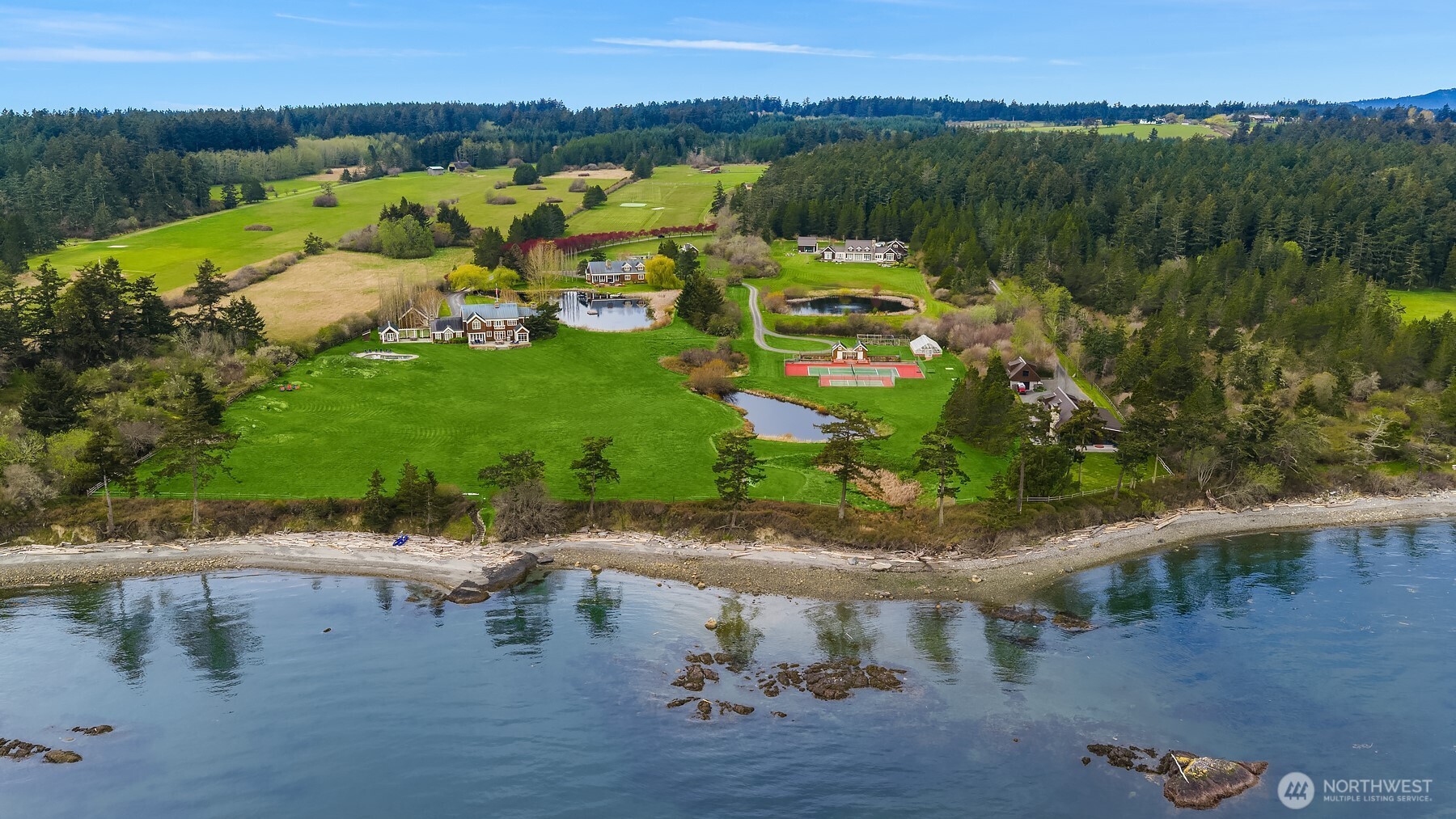
Lagoon Point is one of the best-known waterfront and boating communities near Greenbank on Central Whidbey Island. Located along the island’s western shoreline, the neighborhood faces Admiralty Inlet and is distinguished by its man-made canals, private boating facilities, community beaches, marine views, and mix of waterfront and inland homes.
Development of Lagoon Point began in the early 1960s. Portions of the original salt-marsh environment were modified to create a central channel and residential canals connected to Admiralty Inlet. Today, certain canal-front properties offer the uncommon opportunity to keep a boat near the home, while other residences are positioned along the shoreline, around Lagoon Lake, or on higher terrain overlooking the water.
Lagoon Point is not completely uniform. Island County records identify multiple recorded divisions within the neighborhood, and rights can vary between properties. Buyers should confirm the legal subdivision, Lagoon Point Community Association membership, water-district service, canal or beach rights, road obligations, covenants, and shared expenses attached to the individual parcel.
Community Character
Lagoon Point has a strong nautical identity and a residential environment shaped by boating, fishing, beach access, marine scenery, and outdoor recreation. The community includes older beach cottages, manufactured homes, traditional single-family residences, renovated properties, contemporary homes, canal-front residences, and elevated water-view homes.
Community characteristics may include:
Although boating is central to Lagoon Point’s identity, most properties are not located directly on a canal and do not include private dock or moorage rights. Buyers should distinguish among canal-front, direct waterfront, community-beach, water-view, and inland properties.
Geographic Setting
Lagoon Point is located near Greenbank on the western side of Central Whidbey Island. The neighborhood extends from low-lying canals and shoreline areas to higher residential streets overlooking Admiralty Inlet.
Local roads include Lagoon Point Road, Smugglers Cove Road, Westcliff Drive, Shorewood Avenue, Steelhead Drive, Salmon Street, Seashore Avenue, Oceanside Drive, and other neighborhood connections.
The community’s geography includes:
A property’s elevation, view, water access, flood exposure, and maintenance needs can differ significantly depending on where it is located within Lagoon Point.
Nearby Destinations
Transportation Access
Lagoon Point is reached from State Route 525 through Smugglers Cove Road and connecting local streets. Its Central Whidbey location provides driving access to both Coupeville and Freeland, although most daily errands require a vehicle.
Transportation considerations include:
Buyers should personally test routes to employment, healthcare, shopping, schools, ferries, and other frequently visited destinations.
Travel times may be affected by weather, roadwork, bridge traffic, ferry operations, fallen trees, and seasonal visitor activity.
Canal and Marine Shoreline Setting
Lagoon Point’s canals, entrance channel, shoreline, lake, and beach areas create a distinctive coastal environment. They also introduce property-specific maintenance, environmental, insurance, and permitting considerations.
Potential factors include:
These conditions vary significantly. A canal-front residence near sea level may have different risks and responsibilities from an elevated view home in an upper section of the neighborhood.
Flood and Tidal Exposure
Lower canal and shoreline properties should be carefully evaluated for flood and tidal conditions.
Buyers may want to investigate:
A lender may require flood insurance for certain properties. Buyers should obtain insurance estimates early because premiums, deductibles, exclusions, and coverage limitations can materially affect ownership costs.
A property’s lack of known previous flooding does not guarantee that it will not experience future flood or drainage problems.
Canal Navigation and Depth
Lagoon Point’s canals connect with Admiralty Inlet through a maintained entrance channel. Navigation can be affected by:
Buyers should not assume that every boat can safely enter or leave the canals at every tide. Vessel owners should investigate current channel conditions, navigational limitations, dock dimensions, and community rules before relying on a property for a particular boat.
Historical dredging or maintenance does not guarantee future channel depth or uninterrupted access.
Septic and Groundwater Considerations
Individual septic systems are common throughout Lagoon Point, including in lower areas near the canals. Waterfront and canal properties may require particular attention to:
A septic system that appears to be operating normally may still have limitations related to capacity, age, location, or long-term repair options.
Coastal Weather and Maintenance
Lagoon Point’s western exposure can produce strong winds, salt spray, wind-driven rain, and changing marine weather.
Maintenance considerations may include:
Maintenance needs vary by elevation, exposure, construction type, landscaping, and distance from the water.
Shoreline and Canal Permitting
Work near the shoreline or canals may require local, state, or federal review. Regulated activities can include:
An existing dock, piling, bulkhead, or other marine improvement should not automatically be assumed to be permitted or replaceable in the same size, location, or form.
Lagoon Point Community Association
The Lagoon Point Community Association maintains common properties and facilities serving qualifying neighborhood properties. The community organization began in 1960 as the Lagoon Point Improvement Club and later became the Lagoon Point Community Association.
Association-owned or maintained features have historically included:
Rights can differ by subdivision division and property classification. Buyers should obtain and review current association documents rather than relying on historical listings or verbal descriptions.
Boat Launches and Trailer Parking
Lagoon Point provides member-controlled boating facilities that have historically included secured launch access and parking for vehicles and boat trailers.
Buyers should confirm:
A community boat ramp may not be suitable for every vessel or usable during every tidal condition.
Canal-Front Moorage
Certain Lagoon Point homes front the residential canals and may include private docks, floats, gangways, or other moorage improvements. This feature is limited to a portion of the neighborhood.
Canal-front buyers should investigate:
A dock shown in photographs or a previous listing should not be assumed to be legally permitted, structurally sound, or appropriate for a buyer’s vessel.
Community Beaches and Fishing Access
Lagoon Point includes community-controlled beach areas, while limited public shoreline access may also exist nearby. These are separate types of access with different boundaries and rules.
Buyers should determine:
Residents and visitors should remain within authorized areas and avoid crossing neighboring private property.
Natural Access and Outdoor Recreation
Depending on recorded rights, community rules, tides, weather, and marine conditions, Lagoon Point recreation may include:
Water users should consider tides, currents, wind, waves, cold-water temperatures, visibility, shipping traffic, and rapidly changing weather.
Tidelands and Waterfront Rights
Waterfront ownership does not automatically establish ownership of the exposed beach or tidelands. Tidelands may be:
Buyers interested in shellfish harvesting, exclusive beach use, docks, moorage, or other shoreline activities should review title records, legal descriptions, surveys, subdivision plats, and association documents.
Shellfish seasons and public-health closures can change. Ownership does not guarantee that harvesting is always permitted or safe.
Lagoon Point Community Forest
Protected forestland near Lagoon Point provides an important natural backdrop and wildlife corridor. The Lagoon Point Community Forest encompasses approximately 265 acres assembled through multiple conservation acquisitions.
Planning is underway for long-term habitat stewardship and future public recreational access. Until the property is officially opened and designated trails are established, buyers and residents should follow current access restrictions and avoid assuming that nearby protected land is available for unrestricted public use.
Future trail locations, parking, rules, and opening dates may change.
Walkability and Open Space
Lagoon Point is primarily residential and does not contain a commercial center. Recreational walking may be possible along neighborhood streets and authorized beach areas.
Walking conditions may include:
Buyers should personally evaluate routes between a property and the beach, boat launch, canal, parking area, or other community facility.
Home Types and Styles
Lagoon Point contains a varied collection of homes constructed across several decades.
Housing may include:
Construction quality, remodeling history, foundations, maintenance, and permit status vary. Buyers should evaluate each property individually rather than relying on general neighborhood assumptions.
Canal-Front Homes
Canal-front properties are among Lagoon Point’s most distinctive housing options. Depending on the parcel, these homes may provide:
These benefits should be balanced with flood exposure, dock maintenance, canal depth, tidal limitations, septic considerations, insurance, shoreline permitting, and community obligations.
Admiralty Inlet Waterfront Homes
Homes positioned along the open Admiralty Inlet shoreline may offer:
Waterfront buyers should investigate:
Waterfront status alone does not establish tideland ownership, shellfish rights, moorage rights, or unrestricted beach use.
Elevated Water-View Homes
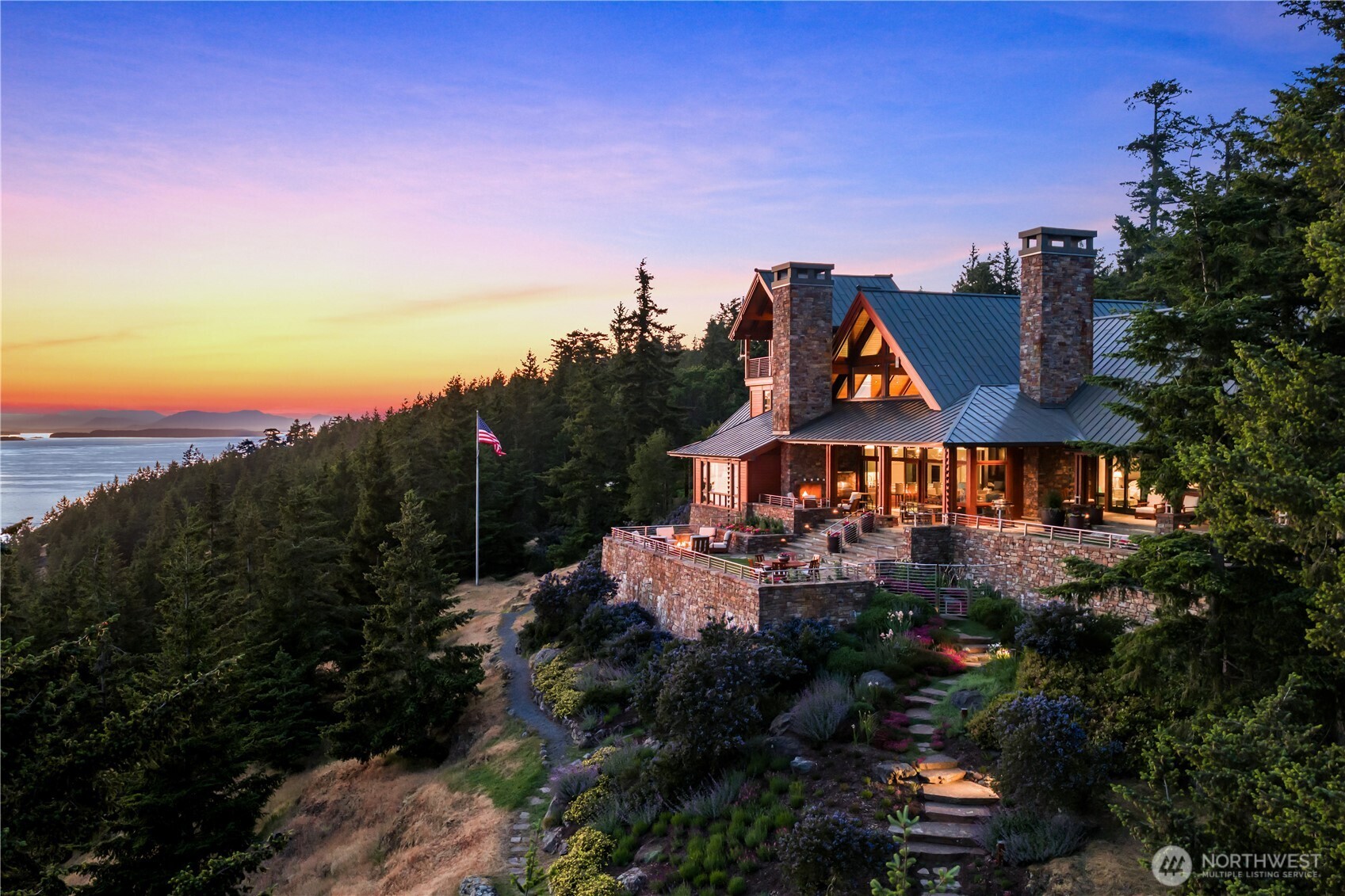
Many Lagoon Point properties are located above the canals or shoreline and may provide wide views of Admiralty Inlet, the Olympic Mountains, marine traffic, and sunsets.
Buyers should consider:
A current view may change unless enforceable recorded restrictions protect it.
Manufactured Homes
Manufactured homes are present in portions of Lagoon Point. Buyers should confirm:
Financing and insurance requirements for manufactured homes can differ from those for site-built residences.
Older Homes and Renovations
Older Lagoon Point homes may offer waterfront access, views, and distinctive coastal character, but buyers should evaluate:
A remodeled appearance does not establish that every system or improvement was updated or permitted.
Lot Sizes and Topography
Lagoon Point primarily contains small to medium residential lots, although parcel sizes and configurations differ across the recorded divisions.
Topography may include:
Usable area may be affected by:
A parcel’s total square footage does not determine how much land can be used for additions, garages, docks, or outbuildings.
Lagoon Point Water District
Lagoon Point Water District provides public water service within its established service area. Buyers should verify the exact service arrangement for each property.
Important questions include:
Being located near a water main does not automatically guarantee that a new connection is available.
Septic Systems
Individual on-site septic systems are common throughout Lagoon Point.
Buyers should review:
The advertised number of bedrooms or finished rooms should be compared with the septic system’s approved capacity.
Power, Heating, and Internet
Property systems may include:
Internet availability and performance should be verified by address, particularly when remote work, streaming, or other high-bandwidth uses are important.
Roads, Bridges, and Access
Road and access arrangements differ throughout the neighborhood. Buyers should determine:
The physical existence of a road or driveway does not necessarily establish legally recorded access.
Lifestyle and Ownership Considerations
Rather than assigning Lagoon Point to a particular resident profile, it is more accurate and fair-housing compliant to describe its objective housing, location, and recreational characteristics.
Lagoon Point may appeal to buyers who value:
Practical ownership considerations include:
Schools
Lagoon Point properties are generally associated with the Coupeville School District, but school boundaries should be verified for the specific address.
Nearby public schools may include:
School assignments, transportation, enrollment requirements, programs, and capacity can change. Buyers should confirm current information directly with the school district.
Housing decisions should be based on each buyer’s individual needs and objective property considerations.
Cost of Ownership
A broad “moderate to high” classification does not accurately represent every Lagoon Point property. Purchase prices and ongoing expenses vary considerably among inland homes, manufactured residences, elevated view properties, canal-front homes, and direct Admiralty Inlet waterfront.
Value and ownership costs may be influenced by:
A local market analysis is the best way to evaluate current Lagoon Point real estate values.
Before purchasing Lagoon Point real estate in Greenbank, buyers may want to investigate:
The appropriate research depends on the individual property and the buyer’s intended use.
Lagoon Point is a distinctive waterfront and boating community near Greenbank on Central Whidbey Island. Its residential canals, private boating facilities, community beaches, Admiralty Inlet views, Olympic Mountain scenery, and western sunsets give the neighborhood a strong coastal identity.
Lagoon Point real estate includes canal-front homes with private moorage, direct-waterfront residences, beach cottages, manufactured homes, elevated view properties, and inland residences. Buyers and sellers should carefully evaluate flood exposure, canal navigation, dock permits, tideland ownership, septic systems, water-district service, association obligations, insurance, shoreline structures, and maintenance responsibilities because these details can vary significantly from one property to another.
Every property is unique, and buyers should carefully review all information that may affect its use, condition, value, and ownership costs. Depending on the property, this may include flood risk, insurance requirements, evacuation routes, zoning, land-use classifications, utilities, septic records, wells, access, drainage assessments, surveys, leases, and permits for homes, additions, or outbuildings. Buyers should complete appropriate due diligence and consult qualified professionals when needed.
Lapis Homes | Anacortes, WA Real Estate Agents | Home Search
Sellers can help create a smoother transaction by gathering relevant property records before listing. These may include surveys, well and septic documents, flood and elevation information, drainage assessments, utility records, leases, land-use documents, and permits for homes, additions, or outbuildings. Providing accurate and organized information can help buyers make informed decisions and may reduce delays during the transaction.
Home Valuation | Lapis Homes | Anacortes, WA Real Estate Agents
Working with an experienced real estate agent is important when navigating property-specific details. The Lapis Homes team includes a local real estate professional with more than 20 years of experience helping buyers and sellers identify important questions, understand the process, and move forward with greater confidence.
For knowledgeable local real estate guidance, contact Lapis Homes at (360) 997-1042 or [email protected].
Based on information submitted to the MLS GRID as of . All data is obtained from various sources and may not have been verified by the broker or MLS GRID. Supplied Open House Information is subject to change without notice. All information should be independently reviewed and verified for accuracy. Properties may or may not be listed by the office/agent presenting the information.
Don’t lose your search history! By creating a profile on our home portal – you can save your favorite homes, get email updates with new listings, and reach out to us quickly if one catches your eye. You can even customize your communication preferences so it never feels like too much.