Overview
The City Center neighborhood occupies a central position in Bellingham and serves as the community’s primary downtown district. Its compact street grid provides access to employment, public transportation, government offices, restaurants, retail businesses, entertainment, cultural institutions, public spaces, and nearby waterfront recreation.
The Downtown Core has a long-standing history of retail and commercial activity. Old Town reflects Bellingham’s port, maritime, railroad, and industrial history. The Civic Center includes municipal and county offices, the public library, and additional government services. The Arts District includes prominent cultural destinations, historic buildings, public art, museums, galleries, and performing arts venues.
Railroad Avenue has its own distinct identity. Its unusually wide street reflects the rail line that once occupied the corridor and continues to influence the area’s layout and appearance.
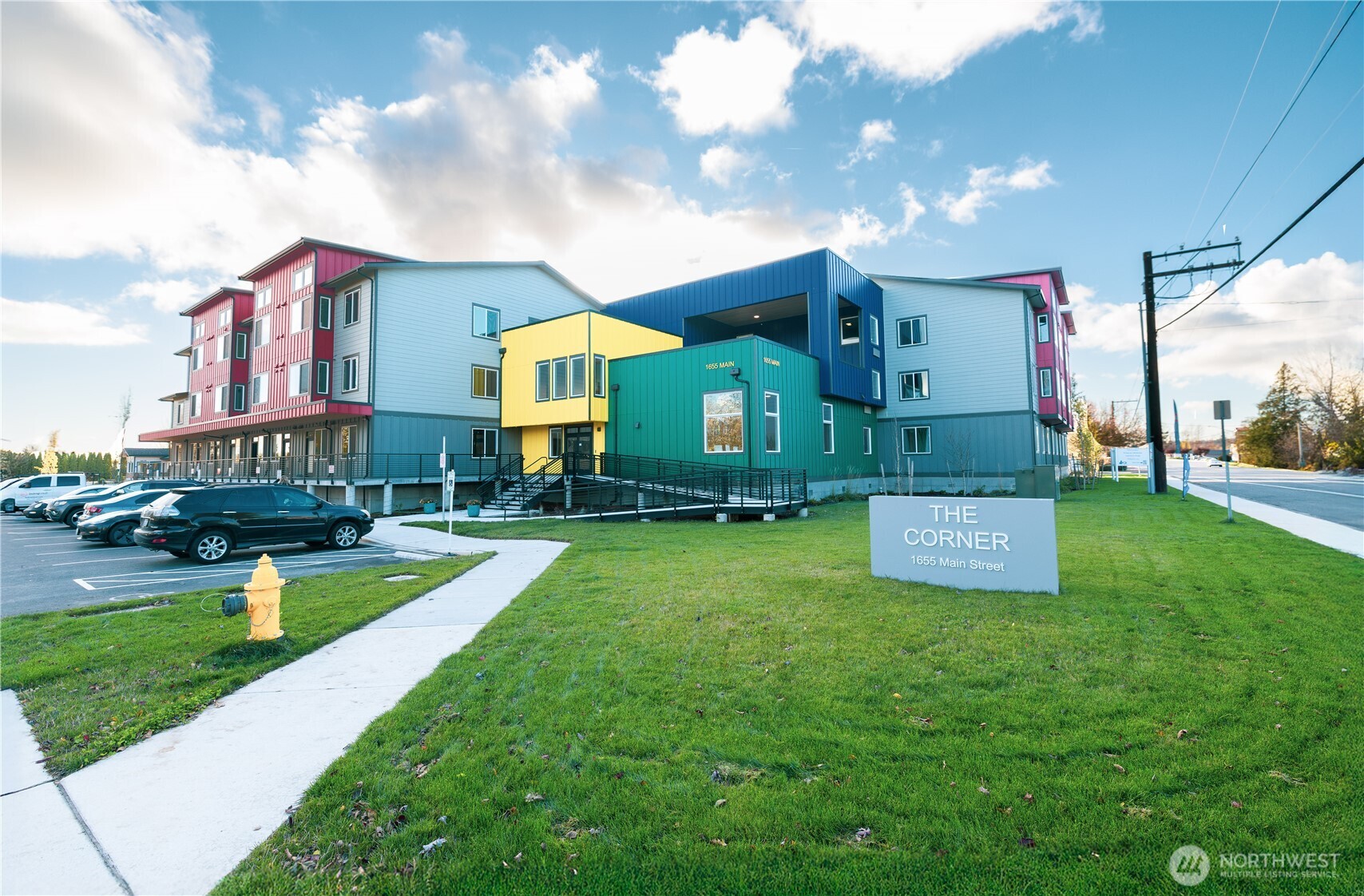
City Center real estate may include condominiums, loft-style residences, apartments, mixed-use buildings, historic commercial structures, renovated upper-floor residences, live-work spaces, office properties, retail storefronts, investment properties, redevelopment sites, and newer multifamily construction.
Community Character
City Center offers:
Geographic Setting
City Center is located between Bellingham’s established residential neighborhoods and the Bellingham Bay waterfront. Whatcom Creek runs along portions of the neighborhood’s northern edge, providing a natural corridor between downtown, Old Town, Maritime Heritage Park, the waterfront, and nearby neighborhoods.
The neighborhood includes several well-known downtown streets and corridors, including Holly Street, Cornwall Avenue, Railroad Avenue, State Street, Champion Street, Magnolia Street, Commercial Street, and portions of the Old Town street grid.
The character of City Center can change within only a few blocks. A condominium near the Downtown Core may be surrounded by restaurants, entertainment, and retail businesses. A property in Old Town may be closer to historic industrial buildings, active construction, Whatcom Creek, or future mixed-use development. A residence near the Arts District may be close to theaters, museums, civic buildings, and public events.
Nearby destinations include:
Transportation Access
City Center is one of Bellingham’s most transportation-connected neighborhoods. Residents may have access to public transit, bicycle routes, sidewalks, trails, street parking, public garages, and pedestrian connections to downtown services.
The compact street grid can make many destinations accessible without driving. However, actual convenience depends on the property’s location, the resident’s mobility needs, weather, construction, and the availability of accessible routes.
Transportation considerations may include:
Parking is an especially important consideration for City Center real estate. Some condominiums or mixed-use residences include assigned parking, while others may rely on leased spaces, shared garages, public parking, or street availability.
Buyers should confirm whether a parking space is separately deeded, assigned by an association, rented, transferable, or subject to additional fees. The availability of guest parking, bicycle storage, electric-vehicle charging, and accessible parking should also be reviewed.
Public transportation routes and schedules may change. Buyers who rely on transit should verify current stops, service frequency, and connections for the specific property.
City Center’s history, proximity to Whatcom Creek, and connection to the waterfront create environmental considerations that may not be present in newer residential neighborhoods.
Depending on the individual property, buyers may need to evaluate:
Not every City Center property has the same environmental exposure. An upper-floor condominium in the Downtown Core may have very different considerations from a redevelopment parcel in Old Town, a commercial building near Whatcom Creek, or property closer to the waterfront.
Certain waterfront and former industrial properties have undergone or continue to undergo environmental investigation and cleanup. Buyers evaluating commercial land, redevelopment sites, or properties near former industrial uses should review applicable environmental reports, agency records, cleanup plans, and land-use restrictions.
Flood risk should also be evaluated by address. Properties near Whatcom Creek, low-lying portions of Old Town, or the waterfront may have different flood, drainage, and insurance considerations from properties located on higher ground.
Older buildings may contain materials commonly associated with their construction period. Lead-based paint, asbestos-containing materials, older fuel systems, and outdated mechanical equipment may require specialized evaluation before renovation or demolition.
City Center places residents close to many of Bellingham’s best-known cultural, civic, and recreational destinations.
Maritime Heritage Park is located along Whatcom Creek between City Center and the Lettered Streets neighborhood. The park includes trails, an amphitheater, a fish hatchery, open space, picnic facilities, restrooms, public art, and the Native Plant Trail.
The Whatcom Creek Trail follows the creek and provides a pedestrian connection between the waterfront, Maritime Heritage Park, downtown, and surrounding neighborhoods. The Native Plant Trail highlights native vegetation and the importance of healthy creekside habitat.
The Arts District includes significant cultural destinations such as the Whatcom Museum and Mount Baker Theatre. Galleries, public art, performance spaces, and community events add to the neighborhood’s creative character.
Depot Market Square provides a covered public gathering space that supports markets, events, and community activities. Event schedules and permitted uses may change throughout the year.
Waypoint Park is located in the nearby Waterfront District and includes a beach, overwater pier, public artwork, picnic tables, bicycle racks, play equipment, and water access. Additional waterfront trails, public spaces, roads, and redevelopment projects are planned or under construction in the surrounding district.
Community and recreational features may include:
Downtown events can bring energy and activity to City Center, but they may also affect traffic, parking, street access, and noise. Buyers should consider how close a property is to event spaces, restaurants, entertainment venues, loading areas, and late-night businesses.
Home Types and Styles
City Center real estate is primarily urban and generally offers a different selection of housing from Bellingham’s traditional single-family neighborhoods.
Housing options may include:
Single-family detached homes are less common in the heart of City Center. Buyers searching in this neighborhood are more likely to encounter condominiums, apartments, mixed-use properties, and residences located within larger buildings.
Historic buildings can offer beautiful architectural details, tall ceilings, large windows, exposed brick, distinctive floor plans, and a strong connection to Bellingham’s history. However, they may also involve older plumbing, electrical systems, windows, masonry, roofing, elevators, ventilation, fire-protection systems, and accessibility features.
Newer buildings may offer modern systems, energy-efficient construction, secured entry, elevators, parking, bicycle storage, and contemporary layouts. Buyers should still review building warranties, association finances, construction history, sound transmission, and long-term maintenance obligations.
Mixed-use buildings may include commercial businesses on the ground floor with residences above. Buyers should consider how restaurant operations, deliveries, ventilation systems, business hours, music, lighting, and customer activity may affect the residential experience.
Condominium Ownership
Condominium ownership requires careful review of both the individual unit and the overall building or association.
Documents to evaluate may include:
A beautifully updated unit can still be affected by the financial condition of the condominium association. Roofs, elevators, exterior walls, windows, plumbing, fire systems, garages, and other common elements may require substantial future investment.
Utilities and Infrastructure
City Center properties are served by urban utilities and municipal infrastructure, but building systems vary considerably by age and property type.
Items to review may include:
Some condominium associations include water, sewer, garbage, heating, or other utilities in monthly dues. Others bill owners separately. Buyers should understand exactly which expenses are included and how shared utility costs are calculated.
Older commercial and mixed-use buildings may have multiple electrical panels, shared meters, modified plumbing, former heating systems, or utility arrangements that have evolved over many years. These systems should be carefully evaluated during due diligence.
Lifestyle and Ownership Considerations
City Center may appeal to buyers who enjoy being close to restaurants, shops, entertainment, cultural venues, public transportation, professional services, government offices, community events, and waterfront recreation.
Living downtown can make it easier to reach many everyday destinations without driving. It can also provide a strong connection to Bellingham’s arts, food, business, and civic communities.
At the same time, City Center is an active urban neighborhood. Residents may experience traffic, deliveries, construction, festivals, public events, nightlife, street maintenance, utility work, and changing parking conditions.
Practical considerations include:
Buyers should visit a property at different times of day and on different days of the week. A block that feels quiet on a weekday morning may be much more active during evenings, weekends, festivals, or special events.
Old Town Development
Old Town is undergoing significant change. As of 2026, several private developments are planned across eight city blocks, with several hundred new residential units and additional commercial space anticipated over multiple phases.
Construction began on an 84-unit apartment building in 2025, and permits have been approved or are under review for additional mixed-use and residential buildings. Public streetscape work is also underway, including street, curb, gutter, sidewalk, lighting, and utility improvements.
This investment may bring additional housing, businesses, services, and improved infrastructure. It can also create temporary construction noise, dust, detours, parking changes, and altered views.
Buyers and sellers should verify current construction schedules and approved projects rather than relying on older descriptions or conceptual renderings.
Buyers interested in City Center real estate can review City Center homes for sale through Lapis Homes or use the full Lapis Homes property search to explore additional Bellingham condominiums, mixed-use properties, land, and investment opportunities.
The Washington Buyer’s Guide also provides helpful information about financing, property searches, offers, inspections, contingencies, and closing.
Schools
City Center properties are served by Bellingham Public Schools. School assignments are determined by attendance boundaries and the property’s exact address.
Buyers should verify current elementary, middle, and high school assignments directly with the district. Transportation services, attendance boundaries, transfer policies, and educational programs may change.
Western Washington University is located south of downtown and contributes to the broader cultural, educational, employment, and economic life of central Bellingham.
The cost of owning City Center real estate depends on the property type, building age, association structure, parking arrangement, condition, and location.
Expenses may be influenced by:
Historic and mixed-use buildings may require specialized contractors and more detailed maintenance planning. Masonry, roofing, windows, decorative elements, elevators, ventilation, plumbing, and electrical systems can be expensive to repair or replace.
Owners of commercial or mixed-use properties may also have expenses involving tenant improvements, accessibility requirements, environmental compliance, signage, fire systems, grease traps, ventilation, business insurance, and common-area maintenance.
Every City Center property is unique, and buyers should carefully review all information that may affect its use, condition, value, financing, and ownership costs. Depending on the property, this may include current zoning, urban village plans, condominium documents, reserve studies, association insurance, parking rights, storage rights, leases, rental restrictions, permits, historic status, environmental reports, flood information, utilities, easements, building systems, planned development, and nearby public projects. Buyers should complete appropriate inspections and consult qualified professionals when needed.
Sellers can help create a smoother transaction by gathering relevant property and association records before listing. Helpful documents may include the resale certificate, declaration, bylaws, budget, reserve study, insurance information, meeting minutes, parking and storage documents, permits, remodeling records, utility information, leases, environmental reports, and notices of pending projects or assessments.
If you are considering selling a City Center condominium, loft, mixed-use building, or investment property, the Lapis Homes home valuation is a helpful place to begin. A personalized comparative market analysis can account for building condition, association finances, parking, views, floor level, updates, elevator access, storage, rental rules, nearby development, and the property’s location within City Center.
Working with an experienced real estate agent is especially valuable in City Center. A historic condominium, modern apartment building, mixed-use property, commercial building, and redevelopment parcel can each require very different documents, inspections, financing, insurance, and due diligence.
The Lapis Homes team includes a local real estate professional with more than 20 years of experience helping buyers and sellers identify important questions, understand complex property details, and move through the real estate process with greater clarity and confidence.
Our approach is warm, attentive, and personalized. We want you to feel comfortable taking your time, asking questions, and understanding both the property and the building or district surrounding it. Whether you are searching for a downtown Bellingham home, preparing to sell a City Center property, or exploring other Whatcom County neighborhoods, we would be happy to help.
Learn more about our experience and approach by visiting About Lapis Homes, or contact Lapis Homes at (360) 997-1042 or [email protected].
Based on information submitted to the MLS GRID as of . All data is obtained from various sources and may not have been verified by the broker or MLS GRID. Supplied Open House Information is subject to change without notice. All information should be independently reviewed and verified for accuracy. Properties may or may not be listed by the office/agent presenting the information.