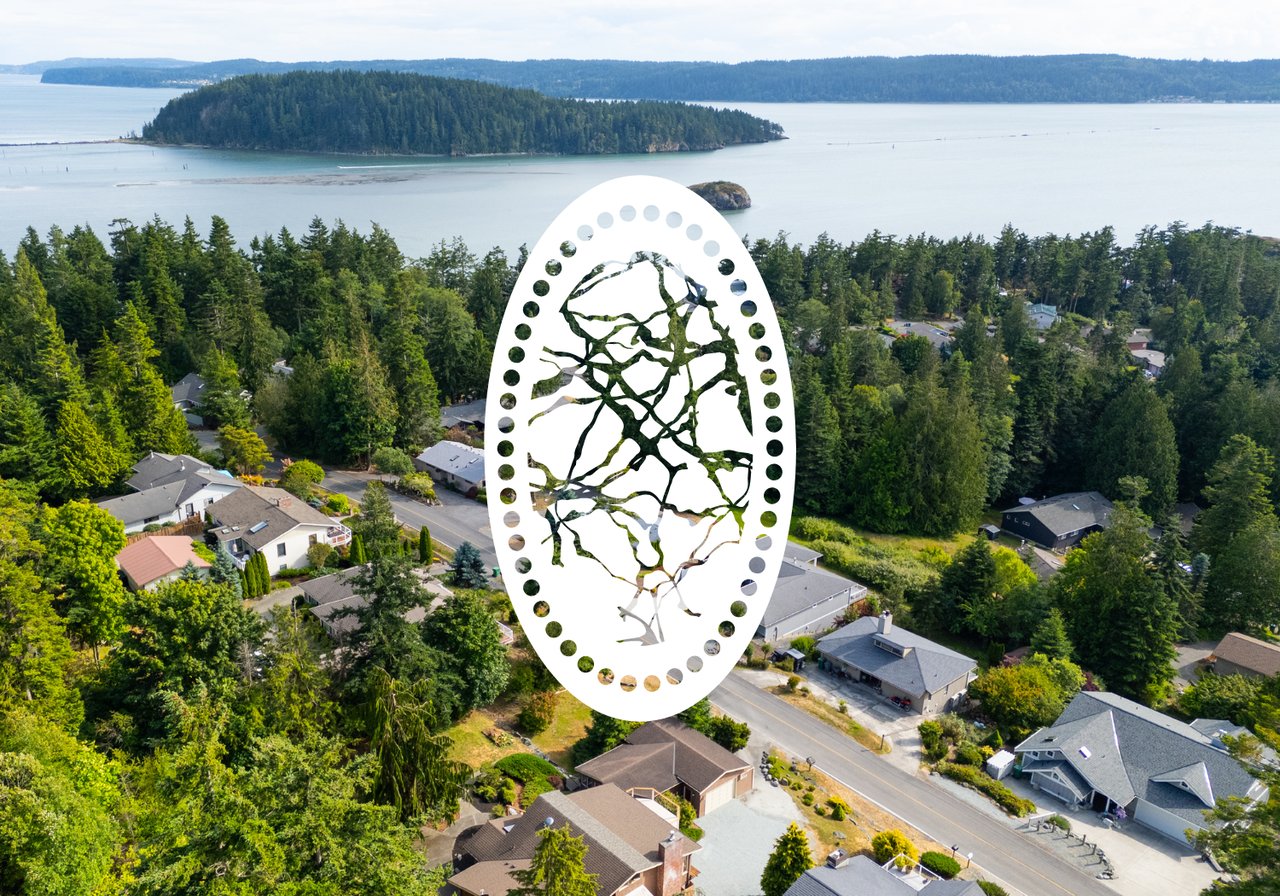
Nestled along the Swinomish Channel in western Skagit County, La Conner, Washington, is a picturesque waterfront town known for its historic downtown, local art, independent businesses, museums, restaurants, and beautiful Skagit Valley scenery. Its compact size and distinctive setting create a lifestyle that feels delightfully different from larger Northwest Washington communities.
La Conner-area real estate includes historic downtown homes, waterfront and water-view properties, condominiums, rural acreage, custom residences, farmhouses, and homes in Shelter Bay. Although many of these properties use La Conner mailing addresses, they can differ significantly in jurisdiction, utilities, land ownership, financing, and maintenance responsibilities.
As a local real estate agent, I love helping buyers understand these differences. A historic home near downtown offers a very different ownership experience from rural acreage outside town or a leasehold property in Shelter Bay. Researching the legal location and ownership structure of each home is especially important in the La Conner area.
If you are considering buying a home in La Conner, Washington, exploring downtown, Shelter Bay, the Swinomish Channel waterfront, and the surrounding Skagit Valley countryside is an excellent way to begin.
Why Buyers Explore La Conner
La Conner combines small-town character with access to Mount Vernon, Burlington, Anacortes, and other communities throughout Skagit and Island Counties. State Route 20 provides regional connections toward Interstate 5, Fidalgo Island, Whidbey Island, and the North Cascades.
Buyers may appreciate La Conner for its:
- Historic waterfront setting
- Walkable downtown core
- Art galleries and museums
- Local restaurants and shops
- Access to boating and marine recreation
- Skagit Valley scenery
- Community events
- Historic architecture
- Proximity to agricultural land
- Access to neighboring cities
La Conner mailing addresses cover more than the incorporated town. Buyers should verify whether a property is within town limits, in unincorporated Skagit County, or on the Swinomish Indian Reservation.
That distinction can affect:
- Land ownership
- Financing
- Utilities
- Permits
- Property taxes
- Road maintenance
- Emergency services
- Shoreline regulations
- Community assessments
- Rental rules
Downtown La Conner
Downtown La Conner is the historic and cultural heart of the community. Its compact layout provides access to restaurants, galleries, museums, boutiques, coffee shops, the library, community events, and the Swinomish Channel waterfront.
Homes near downtown may include:
- Historic residences
- Craftsman-style homes
- Cottages
- Condominiums
- Established neighborhood properties
- Water-view homes
- Smaller-lot residences
Living near downtown may make it possible to reach many destinations on foot. However, walkability varies by address, so buyers should personally evaluate sidewalks, street crossings, road grades, lighting, parking, and actual distances.
Historic homes may offer original woodwork, covered porches, distinctive architecture, and mature landscaping. They can also require additional investigation of:
- Foundations
- Roofing
- Electrical systems
- Plumbing
- Insulation
- Windows
- Drainage
- Sewer connections
- Previous additions
- Renovation permits
- Historic-design requirements
La Conner’s downtown historic district is listed on the National Register of Historic Places. Buyers planning exterior renovations, additions, or redevelopment should investigate whether design review, permits, or other approvals apply.
Festivals, tulip season, markets, and community events may create additional traffic, noise, and parking demand. Visiting a prospective home during both ordinary weekdays and special events can provide a more complete understanding of the location.
Swinomish Channel Waterfront
The Swinomish Channel is central to La Conner’s identity. Throughout the day, residents and visitors may see fishing vessels, recreational boats, kayaks, wildlife, and working marine traffic.
Properties near the channel may include:
- Waterfront residences
- Water-view homes
- Condominiums
- Historic properties
- Homes near the downtown boardwalk
Depending on legal access and current regulations, nearby recreation may include:
- Boating
- Kayaking
- Fishing where permitted
- Wildlife observation
- Marine photography
- Waterfront walking
- Watching vessel traffic
A view of the Swinomish Channel does not automatically include shoreline, dock, tideland, or moorage rights. Buyers should verify title, surveys, easements, shoreline permits, flood exposure, drainage, and insurance availability.
The channel remains an active navigation route. Boat traffic, tides, currents, weather, and shoreline activity should be considered when evaluating a waterfront home.
Shelter Bay
Shelter Bay is a residential community located across the Rainbow Bridge from downtown La Conner on the Swinomish Indian Reservation. Although homes commonly have La Conner mailing addresses, Shelter Bay is outside the incorporated Town of La Conner and operates within a different jurisdictional and ownership framework.
Most Shelter Bay residences are situated on land leased from the Swinomish Indian Tribal Community rather than conventional fee-simple land. In a typical transaction, the buyer purchases the home and improvements along with the seller’s leasehold or sublease interest. The underlying land remains under tribal ownership.
A smaller number of properties in the broader Shelter Bay area may have a different ownership structure, including fee-simple ownership. Buyers should never assume whether a property is leasehold or fee simple based solely on its address, appearance, or listing photographs.
Understanding Shelter Bay’s Master Lease
Shelter Bay Community, Inc. operates under a master-lease arrangement with the Swinomish Indian Tribal Community. Individual residential properties may be occupied through subleases connected to that master lease.
In a leasehold purchase, the buyer generally acquires:
- The home and other improvements
- The seller’s remaining sublease interest
- The right to occupy the underlying lot under the lease terms
- Applicable community rights and obligations
The buyer generally does not acquire ownership of the underlying tribal land.
Leasehold ownership is neither inherently good nor bad, but it is different from purchasing fee-simple real estate. Buyers should understand the remaining lease term, payment structure, financing implications, transfer procedures, and future obligations before making an offer.
Shelter Bay Lease and Community Payments
Shelter Bay ownership costs may include several separate categories of payments. Depending on the property and current community documents, these may include:
- Homeowners association dues
- Annual lease payments
- Supplemental lease payments
- Utility charges
- Infrastructure assessments
- Reserve contributions
- Marina or amenity fees
- Special assessments
- Property taxes on applicable improvements or interests
Lease payments may change according to the governing lease documents, appraisal procedures, adjustment schedules, or other contractual terms. Buyers should obtain current written figures rather than relying on a previous listing, seller estimate, or historical payment.
The total monthly or annual cost of a Shelter Bay property should include more than the mortgage. Buyers should review association dues, lease payments, insurance, utilities, assessments, taxes, and anticipated maintenance.
For more information about Shelter Bay's leased land, click the link below:
Leased Land - La Conner - Shelter bay | Lapis Homes
Financing a Shelter Bay Property
Financing leasehold real estate can differ from financing a conventional fee-simple home. Not every lender offers loans for leased tribal land, and some loan products may be unavailable.
Financing considerations may include:
- The remaining lease term
- Loan amortization limits
- Lender approval of the lease
- Appraisal requirements
- Property eligibility
- Insurance availability
- Down-payment requirements
- Closing timelines
- Buyer qualification
- Resale considerations
Buyers should speak with a lender experienced in Shelter Bay and leased tribal land before touring homes or submitting an offer. A lender familiar with conventional Whidbey Island transactions may not necessarily have the experience required for a Shelter Bay purchase.
Early financing preparation can help buyers understand their budget and avoid delays after mutual acceptance.
Shelter Bay Community Amenities
Depending on current community rules, eligibility, maintenance schedules, and fees, Shelter Bay amenities may include:
- Marina access
- Boat-launch facilities
- Golf
- Parks
- Athletic courts
- Community buildings
- Water and sewer service
- Shared road infrastructure
- Recreational areas
- Community events
Amenity access should always be confirmed through current association documents. A listing reference to a marina, golf course, or community facility does not guarantee a slip, membership, reservation, or unrestricted use.
Marina buyers should investigate:
- Slip availability
- Waiting lists
- Vessel-size restrictions
- Moorage fees
- Transfer rules
- Insurance requirements
- Maintenance obligations
- Guest policies
Golf-course access, fees, operating conditions, and membership requirements should also be independently verified.
Rural La Conner
Outside downtown, buyers may find rural residences, farmhouses, custom homes, acreage, equestrian properties, and homes surrounded by Skagit Valley farmland.
Rural properties may offer:
- Larger parcels
- Garden or orchard space
- Pasture
- Barns or workshops
- Mountain or farmland views
- Greater separation between homes
- Access to regional roads
- Custom architecture
Rural ownership may involve:
- Wells or community water systems
- Septic systems
- Private roads
- Easements
- Agricultural zoning
- Wetlands
- Drainage
- Flood exposure
- Outbuilding permits
- Internet limitations
- Emergency vehicle access
- Neighboring farm operations
Not every large parcel can be subdivided, farmed, developed, or used for livestock. Buyers should verify their intended use with Skagit County and qualified professionals.
Living near working farmland may include seasonal machinery, dust, odors, spraying, livestock, and early-morning activity. These are common characteristics of agricultural communities.
Skagit Valley Agricultural Views
The countryside surrounding La Conner is known for fields, barns, waterways, migratory birds, and views of Mount Baker and the Cascade Mountains.
A farmland or mountain view can be an important property feature, but buyers should determine whether it is legally protected. Unless a conservation easement, development restriction, or view easement applies, neighboring land may change use in the future.
Buyers should also avoid entering or parking on agricultural land without permission. The surrounding fields are private, working properties.
Pioneer Park
Pioneer Park is a local outdoor gathering place that may provide access to open space, recreation, picnic opportunities, and waterfront scenery.
Depending on current facilities and conditions, visitors may enjoy:
- Playground equipment
- Open lawns
- Picnicking
- Walking
- Community events
- Views near the Swinomish Channel
Park hours, reservations, amenities, and event schedules may change. Visitors should follow current rules and remain within public areas.
Rainbow Bridge
The Rainbow Bridge is one of La Conner’s most recognizable landmarks. It crosses the Swinomish Channel and connects the town with the Swinomish Indian Reservation on Fidalgo Island.
The bridge provides access toward:
- Shelter Bay
- Other reservation communities
- Anacortes
- Fidalgo Island
- Regional transportation routes
It is both a practical transportation connection and a scenic part of La Conner’s waterfront landscape.
Drivers, pedestrians, and cyclists should evaluate current access conditions and follow posted regulations. Traffic may increase during festivals, tulip season, and community events.
Boating and Marine Recreation
The Swinomish Channel provides opportunities for boating, kayaking, fishing, and marine sightseeing. It connects Skagit Bay with waterways farther north and remains an active navigation route.
Depending on current regulations, residents may enjoy:
- Boating
- Kayaking
- Paddleboarding
- Fishing
- Wildlife watching
- Birdwatching
- Marine photography
- Waterfront walks
Tides, currents, weather, and vessel traffic can change quickly. Boaters and paddlers should use appropriate equipment, wear life jackets, and research current conditions.
Launch access, fishing licenses, moorage, and shoreline rights should be confirmed before participating in an activity.
Arts, Museums, and Downtown Activities
La Conner’s arts community is visible throughout downtown. Galleries, museums, studios, shops, and seasonal events provide plenty of opportunities to explore Northwest creativity and history.
Cultural destinations include:
- The Museum of Northwest Art
- The Skagit County Historical Museum
- The Pacific Northwest Quilt & Fiber Arts Museum
- Independent galleries
- Historic buildings
- Public art
Depending on current exhibitions, visitors may encounter painting, sculpture, photography, ceramics, textiles, jewelry, and mixed-media work.
Museum hours, admission policies, programs, and exhibitions may change. Current information should be confirmed before visiting.
Skagit Valley Tulip Festival
La Conner is located near the heart of the Skagit Valley’s flower-growing region. During spring, nearby daffodil and tulip fields bring vivid seasonal color to the area.
Tulip Festival activities may include:
- Display gardens
- Field viewing from authorized areas
- Photography
- Art shows
- Downtown events
- Local dining
- Scenic drives
- Seasonal markets
Tulip season can create significant traffic, especially on sunny weekends. Buyers considering rural or west La Conner properties should understand how festival routes may affect local roads.
The flower fields are private, working agricultural properties. Visitors should park only in designated areas and remain on approved paths.
Flood and Drainage Considerations
La Conner is surrounded by waterways, agricultural lowlands, dikes, and drainage infrastructure. Flood exposure varies by location, elevation, and property.
Before purchasing, buyers should investigate:
- Current flood-zone maps
- Elevation information
- Flood-insurance requirements
- Dike-district information
- Historical flooding
- Drainage
- Emergency routes
- Road-closure potential
- Crawlspace or basement moisture
- Insurance availability
A property outside a designated high-risk flood zone may still experience drainage or groundwater issues. Buyers should consult qualified inspection, insurance, survey, and lending professionals.
More information about flood insurance can be found below:
Flood Insurance - Real Estate | Lapis Homes
Researching Safety and Emergency Services
Safety is important to every buyer, but a real estate professional should not describe a neighborhood as “safe” or “unsafe.” These labels are subjective and may be misleading.
Instead, buyers can review objective information such as:
- Publicly available incident data
- Law enforcement jurisdiction
- Fire and emergency medical response
- Distance to healthcare
- Road conditions
- Pedestrian infrastructure
- Street lighting
- Flood and shoreline hazards
- Emergency alerts
- Power-outage planning
- Emergency vehicle access
Jurisdiction is especially important around La Conner. Emergency services and governing authorities may differ among the incorporated town, unincorporated county, and the Swinomish Indian Reservation.
Is La Conner, Washington, Right for You?
Buying a home in La Conner, Washington, can mean choosing among historic downtown residences, Swinomish Channel waterfront properties, rural acreage, farmland-view homes, condominiums, and Shelter Bay residences.
Downtown offers access to shops, restaurants, galleries, museums, and waterfront scenery. Rural La Conner provides larger parcels and agricultural surroundings. Shelter Bay offers a residential community with possible marina, golf, and recreation amenities, but most properties involve leasehold ownership on land belonging to the Swinomish Indian Tribal Community.
The right La Conner property depends on your budget, preferred location, desired amenities, financing options, and comfort with historic, rural, waterfront, or leasehold ownership responsibilities.
Whether you are purchasing your first home, preparing to sell, or simply exploring La Conner and Skagit County real estate, the team at Lapis Homes is here to help. Our local knowledge and personalized service make navigating the market informative, approachable, and enjoyable.
Ready to start your search? Click the link below to try our custom Home Search Tool!
Lapis Homes | Anacortes, WA Real Estate Agents | Home Search
Contact Lapis Homes today at (360) 997-1042 or [email protected]—we would love to connect with you!